
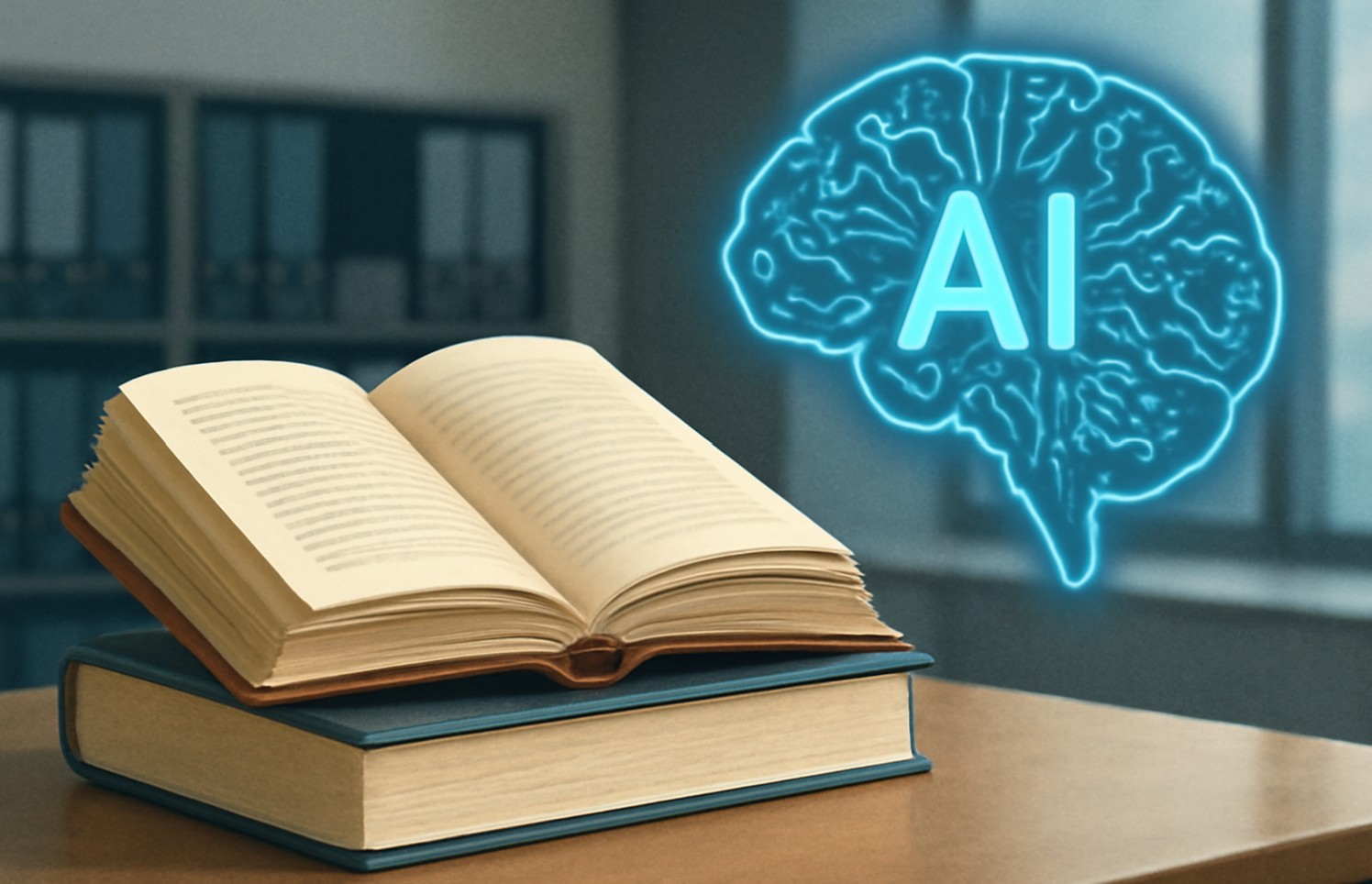
In a significant development for the burgeoning artificial intelligence industry, a U.S. federal judge has delivered a nuanced ruling that could shape the future of AI development and copyright law. In a case involving AI company Anthropic, U.S. District Judge William Alsup has stated that the use of copyrighted books for training AI models can indeed fall under the doctrine of fair use, deeming such use “quintessentially transformative.”
This decision, a partial victory for AI developers, hinges on the argument that AI models, like human learners, process vast amounts of information to understand patterns and generate new content, rather than merely replicating the original works. Judge Alsup emphasized that Anthropic’s AI system distills information from thousands of written works to produce its own passages, a process he likened to a reader aspiring to be a writer.
However, the ruling is far from a complete win for AI companies. While the act of training itself was deemed fair use, the judge drew a firm line on the acquisition of training data. Anthropic must still face trial over its alleged use of pirated copies of books downloaded from online “shadow libraries.” Judge Alsup unequivocally stated that creating a permanent library from stolen works, even if later used for arguably transformative purposes, does not qualify as fair use and constitutes infringement.
This critical distinction means that while AI companies may find legal ground for the transformative nature of their training processes, the means by which they acquire their training data will be heavily scrutinized. The ruling sends a clear message: innovation cannot be built on a foundation of theft.
The case, brought by a group of authors, represents one of several ongoing lawsuits challenging AI companies’ use of copyrighted material for training. This ruling, alongside a similar decision favoring Meta Platforms in a separate case this week, could set an important precedent for future litigation involving AI giants like OpenAI.
The legal landscape for AI and copyright remains complex, balancing the promotion of technological advancement with the rights of creators. While the decision offers AI developers some clarity on the “transformative” aspect of their technology, it also underscores the imperative for legitimate and ethically sourced training data, potentially leading to increased licensing agreements and more rigorous data acquisition practices within the AI industry. The impending trial concerning Anthropic’s use of pirated books will further define the financial implications of this landmark ruling.