
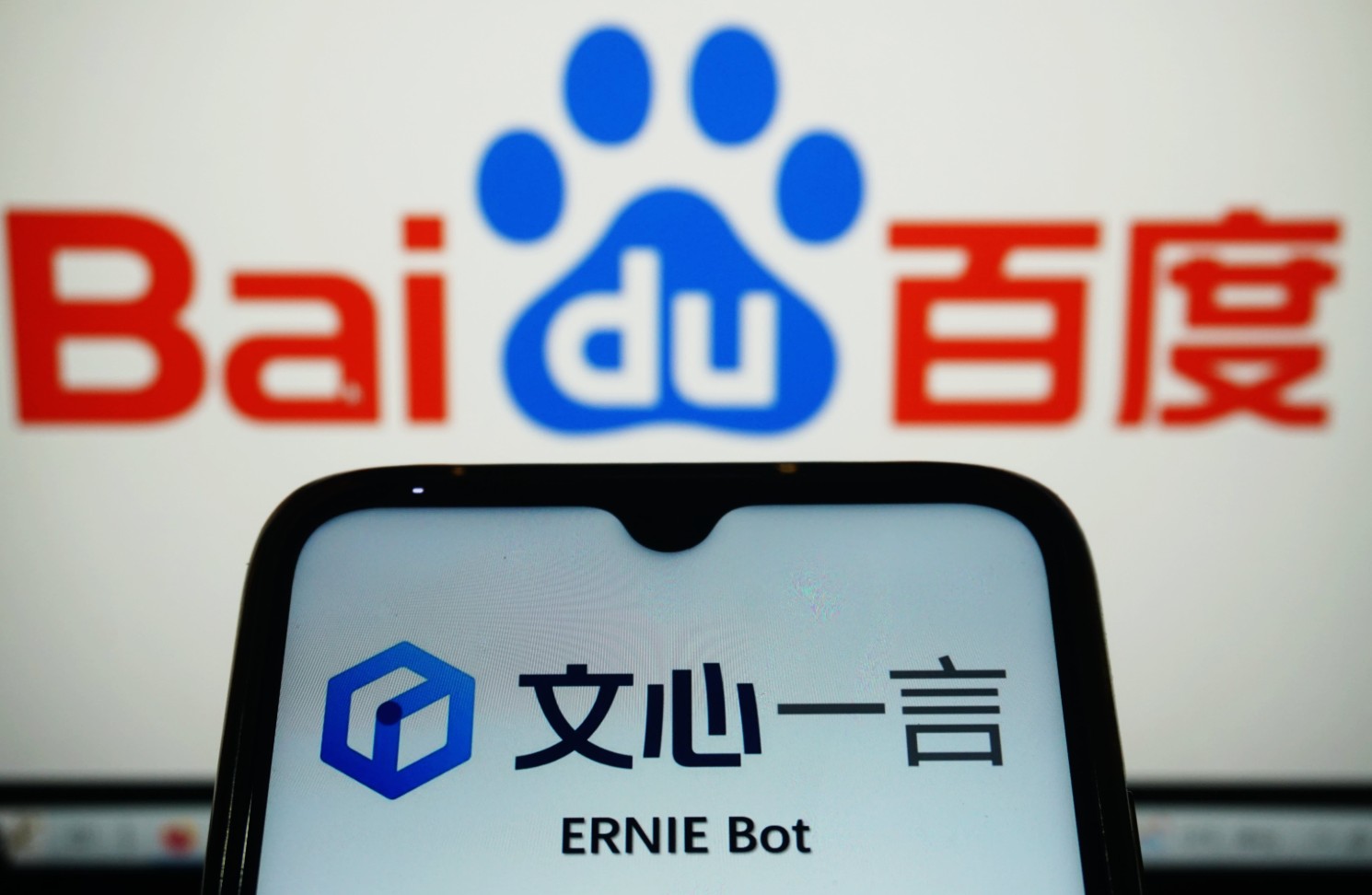
In a move set to reverberate across the global artificial intelligence landscape, Chinese tech giant Baidu today announced its decision to open-source its highly advanced ERNIE large language model. This strategic pivot, a gradual rollout of which begins immediately, marks a significant departure from Baidu’s historically proprietary approach to AI development and is poised to intensify competition in the rapidly evolving sector.
Baidu, often dubbed “China’s Google,” has been a formidable player in AI, but its ERNIE Bot, while powerful, has faced stiff competition from rivals like ByteDance’s Doubao and the increasingly popular open-source offerings from DeepSeek. By making ERNIE’s underlying architecture and model weights accessible to the public, Baidu aims to foster wider adoption, cultivate a robust developer ecosystem, and accelerate innovation.
The decision is a direct response to the growing trend of open-source AI models, which have demonstrated comparable performance to closed systems while offering significantly lower costs and greater flexibility for developers. Baidu’s CEO, Robin Li, who once advocated for proprietary models, has acknowledged that open-sourcing can dramatically accelerate AI adoption, stating that “if you open things up, a lot of people will be curious enough to try it. This will help spread the technology much faster.”
This shift has already begun to disrupt the established pricing models of major AI players like OpenAI and Anthropic, who rely on expensive licensing fees. Baidu has aggressively undercut competitors, with its recently released ERNIE 4.5 and ERNIE X1 models claiming to deliver comparable performance to DeepSeek’s R1 at half the cost. The company also made its ERNIE Bot free to use starting April 1st, further emphasizing its commitment to accessibility.
While some analysts, particularly in Western markets, remain cautious about the immediate impact, many see Baidu’s move as a “declaration of war on pricing” that will put immense pressure on the entire industry. By democratizing access to its advanced AI capabilities, Baidu hopes to attract a broad base of developers and startups, fueling a new wave of AI-powered applications and potentially sidestepping some of the challenges posed by international sanctions. The coming months will reveal the true extent of this strategic shift and its long-term implications for the global AI race.