
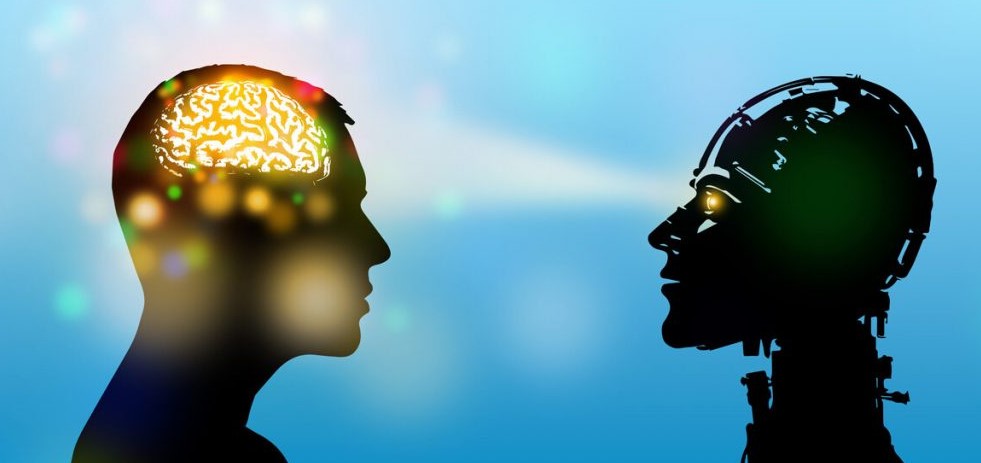
As Artificial Intelligence continues its rapid ascent, revolutionizing industries and daily life, a crucial distinction remains: the irreplaceable power of the human brain. On World Brain Day 2025, Padma Shri Dr. Chandrashekhar Meshram, a senior neurologist and trustee of the World Federation of Neurology (WFN), emphasized that even the most sophisticated AI cannot replicate the brain’s unique capacities for empathy, imagination, and resilience.
While AI excels at processing vast datasets, performing complex calculations, and mimicking decisions with unparalleled speed and precision, it fundamentally lacks the emotional depth and adaptive nature inherent to human intelligence. “AI can process data and mimic some decisions, but it lacks the creativity, compassion, and adaptability of a real brain,” stated Dr. Meshram. He highlighted that unlike machines, the human brain possesses an extraordinary ability to grow, recover, and reshape itself throughout life – a characteristic known as neuroplasticity, which is vital for learning, healing, and coping with adversity.
The core of Dr. Meshram’s argument lies in the distinctly human attributes that define our experience. Empathy, the ability to understand and share the feelings of others, transcends algorithmic processing. It’s born from lived experience, nuanced interpretation, and genuine emotional resonance – qualities AI cannot truly possess. Similarly, imagination, the capacity to form new ideas and images not present to the senses, is a realm where human cognition reigns supreme. AI can generate novel content based on existing patterns, but it cannot “dream” or create from a blank slate with the same intrinsic drive or abstract thought as the human mind.
Furthermore, resilience, the ability to bounce back from challenges and adapt to unforeseen circumstances, is deeply rooted in our emotional and psychological makeup. Humans can navigate ambiguity, learn from mistakes, and find innovative solutions in dynamic environments, drawing on a wealth of experiences and a complex interplay of emotions. AI, in contrast, operates within programmed frameworks and can struggle to adapt without explicit reprogramming or extensive training for novel situations.
Dr. Meshram’s insights serve as a timely reminder, particularly on World Brain Day, that while AI is a powerful tool to augment human capabilities, it is not a replacement for the intricate and profound abilities that make us human. The focus, he implicitly suggests, should remain on leveraging AI’s strengths while nurturing and protecting the unique faculties of the human brain.