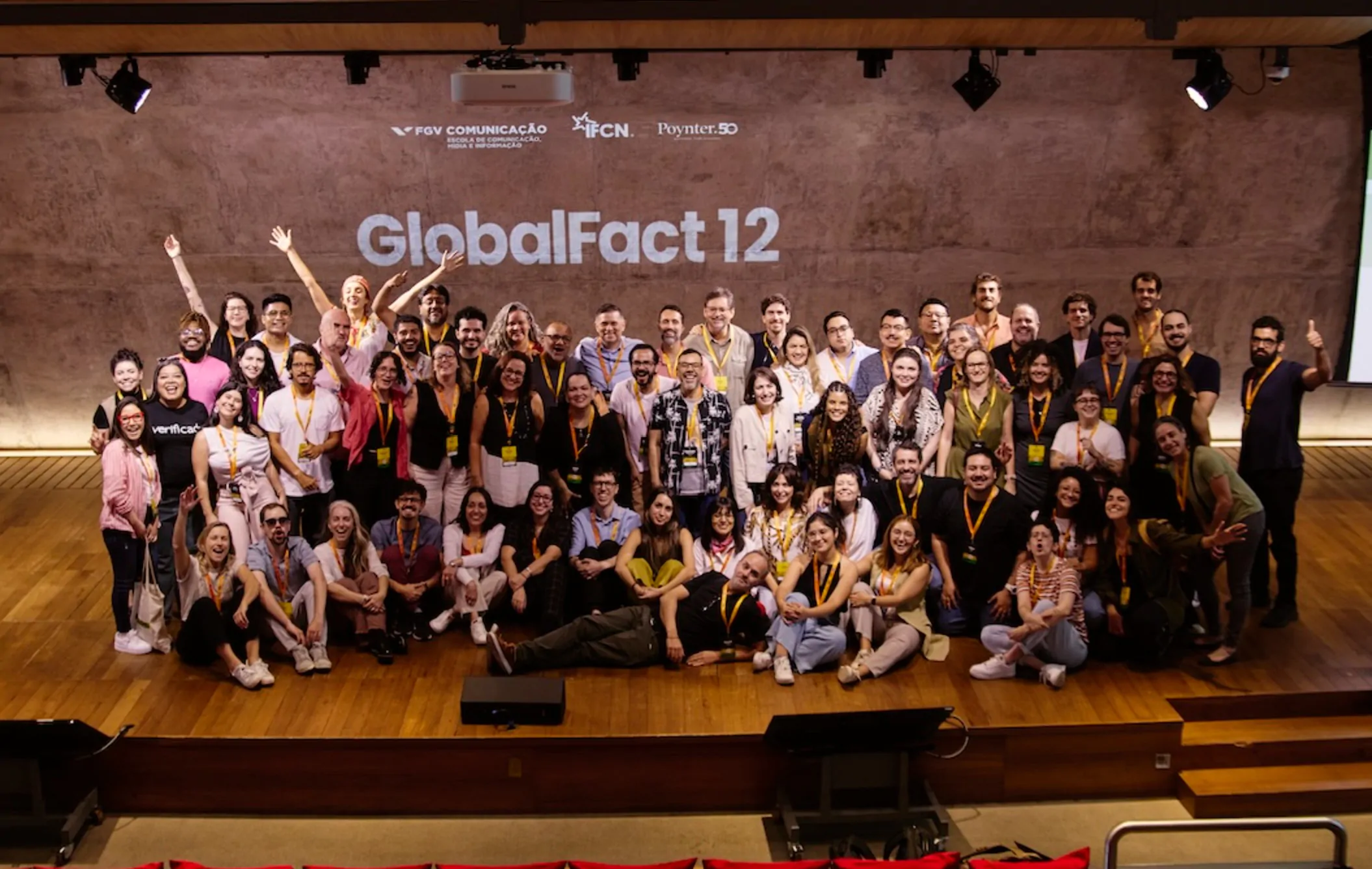
The global fact-checking community is at a critical juncture, grappling with evolving funding landscapes and the rapid rise of artificial intelligence. At GlobalFact 12, the annual summit hosted by the International Fact-Checking Network (IFCN) at the Poynter Institute, hundreds of fact-checkers from 80 countries convened to strategize on maintaining their vital role in an increasingly complex information ecosystem.
A dominant theme throughout the conference was the pressing need for fact-checking organizations to diversify their revenue streams. With social media platforms reportedly withdrawing some financial support for fact-checking initiatives, leaders urged newsrooms to innovate. “No funding stream lasts forever, nor should we expect it to,” remarked one speaker, emphasizing the importance of reinvention in both content production and financial models. Partnerships with non-profit organizations, academic institutions, and even private companies were highlighted as potential avenues for sustainability, though maintaining editorial independence remains paramount.
Concurrently, the disruptive force of artificial intelligence loomed large. While AI offers immense potential for automating parts of the fact-checking process, speeding up analysis, and detecting patterns of misinformation, it also presents significant challenges. Disinformers are increasingly leveraging AI to generate sophisticated deepfakes and synthetic media, making it harder to discern authentic content. Furthermore, generative AI tools, often used by the public as search engines, are prone to “hallucinations,” or generating false information, as noted by IFCN director Angie Drobnic Holan.
Fact-checkers are exploring how AI can be a powerful ally rather than just a formidable opponent. Organizations are developing AI-powered tools to identify claims, cross-reference information, and even translate fact-checks into multiple languages. However, a crucial consensus emerged: AI should complement, not replace, human expertise. The nuanced understanding, critical analysis, and ethical judgment of human fact-checkers remain indispensable, especially when dealing with complex or ambiguous claims.
The discussions underscored a collective commitment to adaptability and collaboration. The future of fact-checking, attendees agreed, lies in a hybrid approach that combines human discernment with the speed and scale offered by advanced AI, all while seeking sustainable funding models to safeguard information integrity in a rapidly changing world.