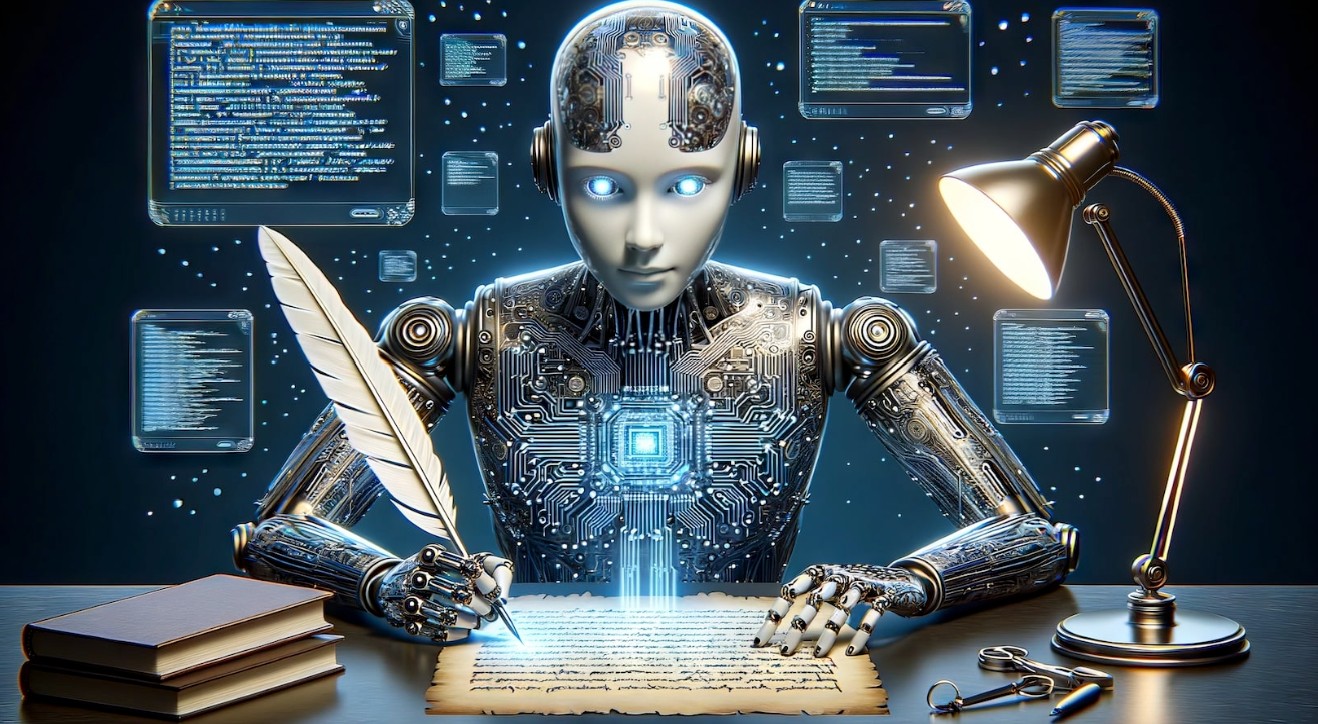
A growing chorus of prominent authors is publicly calling on major publishing houses to significantly restrict the use of artificial intelligence in book production, citing concerns over intellectual property, the integrity of creative work, and the potential displacement of human talent. An open letter, signed by over 70 bestselling authors including Lauren Groff, R.F. Kuang, and Dennis Lehane, and quickly garnering more than 1,100 additional signatures, demands a commitment from publishers to prioritize human creativity and labor.
The letter, addressed to the “big five” U.S. publishers and other American imprints, articulates several key demands. Foremost among them is a pledge to refrain from publishing books that are wholly or partly generated by AI. Authors express deep worry that AI-produced content, often trained on copyrighted works without permission or compensation, devalues the art of writing and risks flooding the market with “cheap” and unoriginal material.
Beyond the creative act itself, the authors are also pushing for publishers to commit to using only human audiobook narrators and to protect existing human jobs from being replaced or diminished to mere oversight roles for AI systems. They argue that the collaborative nature of book publishing, from editing to design, relies on the nuanced skills and human touch that AI cannot replicate.
The timing of this open letter is critical, coming amidst ongoing legal battles where authors are suing AI companies for using their copyrighted works to train AI models. While some recent federal court rulings have presented challenges for these lawsuits, authors believe direct commitments from publishers are essential to safeguarding the future of the industry.
“We are standing on a precipice,” the letter states, emphasizing the ethical and artistic implications of unchecked AI integration. Authors contend that AI, while a powerful tool, should not be used to replace artists or to create content that lacks genuine human experience and accountability. The movement highlights a fundamental tension between the perceived efficiencies of AI and the preservation of authentic human artistry in the literary world. Publishers are now facing increasing pressure to articulate clear policies that demonstrate their commitment to their authors and the integrity of the creative process.