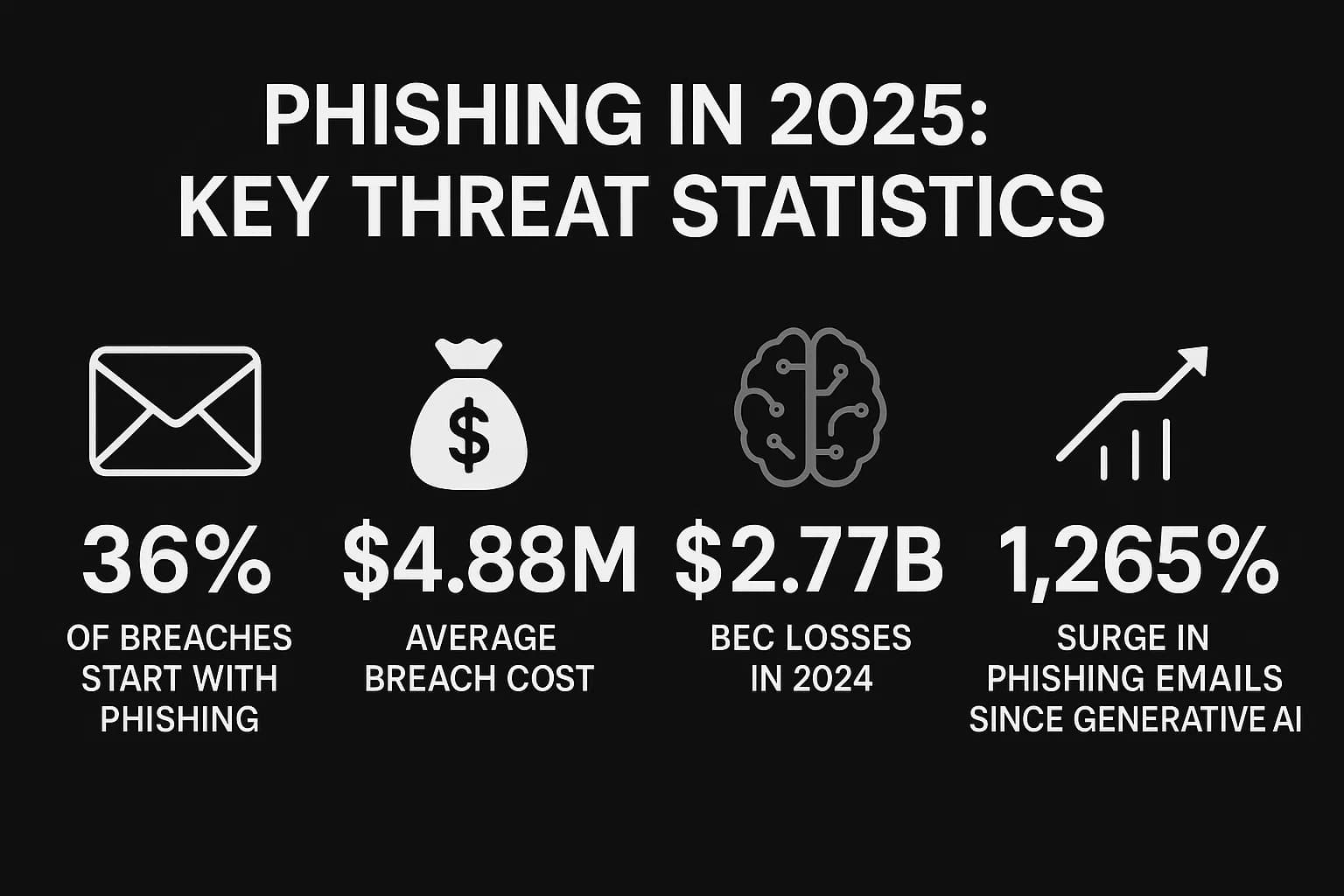
2025 saw phishing attacks evolve rapidly, with threat actors deploying increasingly sophisticated methods to evade detection and exploit victims. Trusted third-party research from Push Security highlights several key trends, showcasing how phishing tactics are growing in complexity, scale, and impact. From customized lures using AI to attacks designed to bypass modern anti-phishing defenses, cybersecurity leaders face rising challenges defending digital identities and corporate assets.
Phishers now actively exploit artificial intelligence to create tailored messages that align closely with victims’ interests and behaviors. These messages mimic trusted contacts and legitimate organizations with such precision that users struggle to identify scams. Push Security’s latest findings reveal phishers leveraging AI-generated deepfake voices and texts in multi-channel campaigns, boosting success rates compared to generic mass phishing efforts.
Another sophisticated tactic involves evading anti-phishing filters by employing polymorphic URLs and temporally rotated domain names. These techniques allow threat actors to stay ahead of signature-based and reputation-based detection, maintaining persistent access to unsuspecting victims. Combining social engineering with these stealth mechanisms has led to significant increases in credential theft and ransomware deployments globally.
Push Security’s analysis of noteworthy phishing incidents in 2025 includes attacks targeting remote workers, exploiting cloud collaboration platforms and virtual meeting software. These vectors, combined with the adoption of zero-trust security models by many enterprises, require defenders to tighten their focus on user behavior analytics, anomaly detection, and hybrid workforce protection.
Forward-looking predictions emphasize the rising risk of mobile-centric phishing, fueled by increased banking and payment app usage on smartphones along with the growing popularity of messaging platforms such as WhatsApp and Signal. Attackers are likely to continue integrating malware with worm-like propagation techniques combined with social engineering to maximize reach and damage.
Companies must prioritize user education, strengthen email and messaging gateway defenses, and adopt multi-layered detection frameworks that include AI-powered anomaly detectors. Collaborative sharing of threat intelligence across industries will be critical to mitigate phishing’s far-reaching harms in 2026 and beyond.
Additional Information
Push Security Webinar on Phishing 2025 | Cyberscoop Phishing Trends