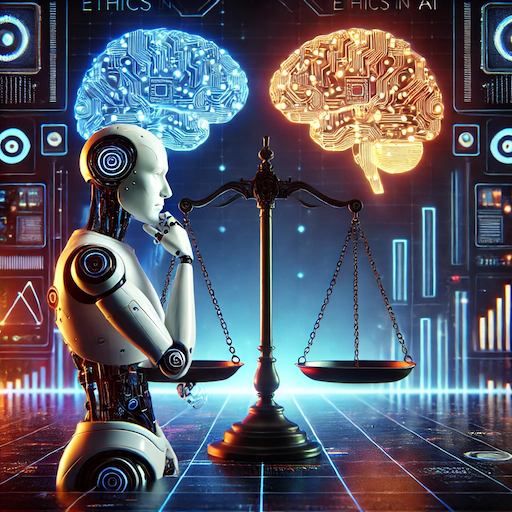
Artificial intelligence continues to redefine industries, unlocking powerful capabilities and opportunities. However, alongside these advancements come significant challenges and ethical questions. As businesses and developers, it’s critical for us to understand and navigate the complexities of AI, including issues related to bias, transparency, privacy, and workforce implications. Let’s explore these challenges and outline some practical considerations for ethically responsible AI adoption.
1. Bias and Fairness
AI models rely heavily on the data they’re trained on, which often reflects historical or societal biases. A notable example occurred with Amazon’s recruiting AI, which inadvertently favored male applicants due to biases embedded in historical hiring patterns. Similarly, facial recognition technology has faced scrutiny for disproportionate error rates among certain demographics.
Organizations should proactively address these biases by auditing AI systems regularly, diversifying datasets, and actively seeking input from varied teams to minimize unintended discrimination.
2. Transparency and Explainability
AI systems frequently operate as ‘black boxes’, making decisions without clear, understandable explanations of how they are making them. This opacity poses risks, especially in high-stakes fields like finance or healthcare. For example, credit scoring algorithms have denied loans without transparent justification, top to frustration and regulatory scrutiny. IBM Watson’s medical recommendations similarly faced challenges due to the complexity and obscurity of its decision-making processes (or lack thereof).
To build trust and accountability, companies should prioritize developing Explainable AI (XAI) frameworks that clarify decision-making logic, enabling users and regulators to understand how AI generates its outputs.
3. Data Privacy and Security
AI’s dependence on vast amounts of data raises real privacy concerns. Incidents such as the Cambridge Analytica scandal demonstrate the risks associated with data misuse and inadequate safeguards. Conversely, Apple’s strategy of processing data on-device rather than cloud-based processing shows how privacy and AI can coexist.
Companies integrating AI should implement robust security protocols, adhere strictly to privacy regulations such as GDPR, and clearly communicate data handling practices to users.
4. Workforce Transformation
AI-driven automation is reshaping employment landscapes. Tesla’s factories illustrate how AI can reduce manual labor through automation. Conversely, tools like GitHub Copilot from Microsoft showcase how AI can augment rather than replace human skills, improving productivity and creativity.
Organizations should approach workforce transformation strategically, investing in retraining and skill development initiatives, and ensure that AI serves to enhance rather than replace human roles.
5. Ethical Development
Not all AI applications are ethically advisable, even if they seem helpful on the surface. For example, social media platforms’ recommendation engines have been criticized for amplifying user-specific content, even if considered harmful. In response, research initiatives from organizations like OpenAI and Google’s DeepMind are focusing on aligning AI capabilities with human values and ethics.
Implementing clear ethical guidelines, establishing AI ethics review boards, and carefully considering the long-term societal impacts of AI implementations are important steps toward responsible AI deployment.
6. Legal and Regulatory Challenges
The rapid pace of AI innovation frequently outpaces legal frameworks, creating uncertainty around accountability and compliance. Regulations such as the European Union’s AI Act and California’s Consumer Privacy Act (CCPA) aim to bridge these gaps, yet they continue to evolve as AI develops.
Staying informed and proactive about regulatory changes helps companies mitigate risks, avoid legal complications, and responsibly leverage AI technologies.
Conclusion
The promise of AI is profound; but so are its ethical and practical challenges. By addressing biases, prioritizing transparency, safeguarding privacy, preparing for workforce evolution, and adhering strictly to ethical guidelines, companies can responsibly harness AI’s power.
Are you ready to integrate AI responsibly into your strategy? Reach out to Grio to explore how we can help you navigate AI’s ethical landscape while driving innovation.
Artificial intelligence continues to redefine industries, unlocking powerful capabilities and opportunities. However, alongside these advancements come significant challenges and ethical questions. As businesses and developers, it’s critical for us to understand and navigate the complexities of AI, including issues related to bias, transparency, privacy, and workforce implications. Let’s explore these challenges and outline some practical … Continue reading → Read More