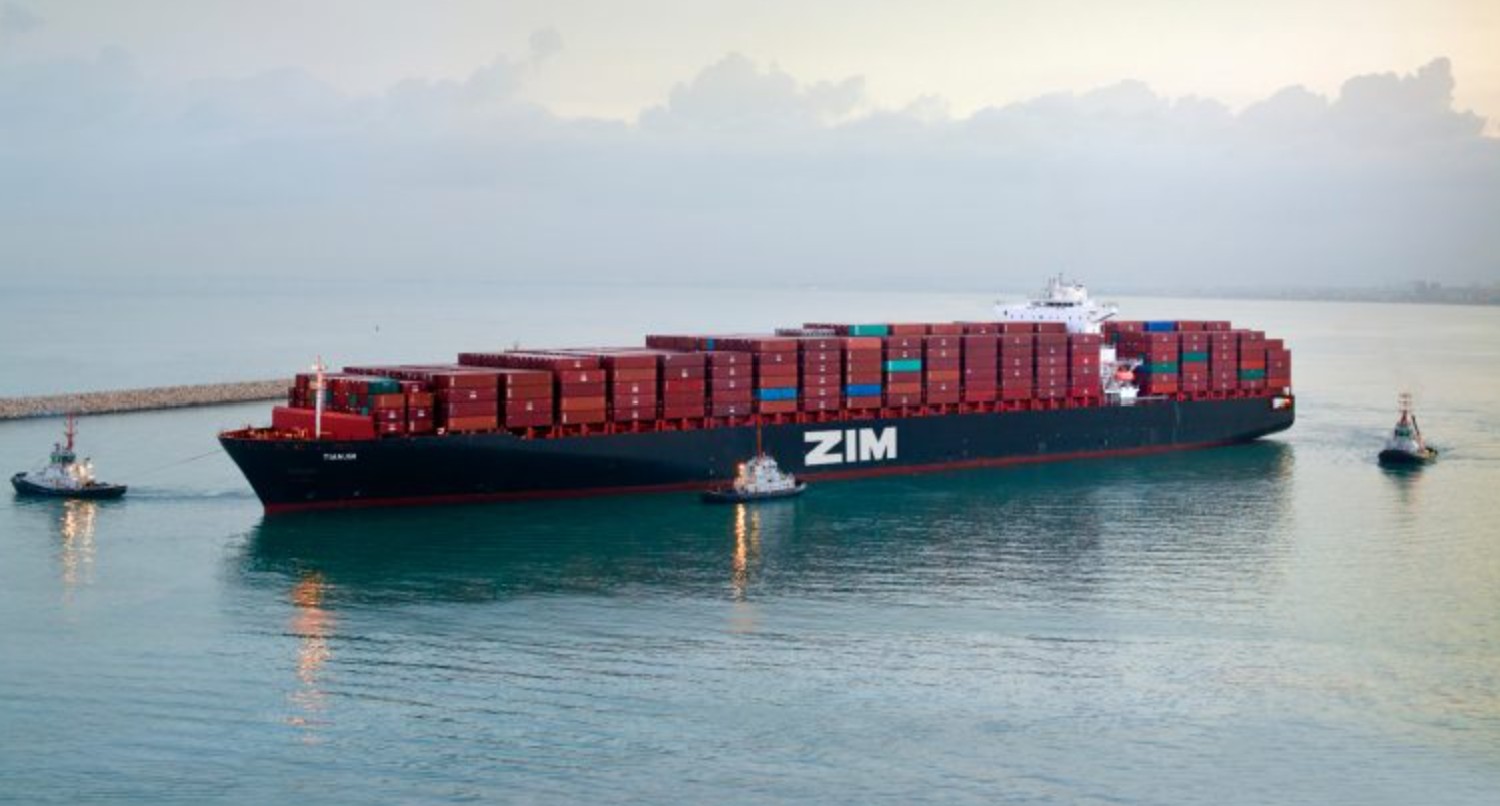
As the global maritime industry increasingly embraces digitalization and automation, the calm waters of traditional shipping are being stirred by a rising tide of sophisticated cyber threats. The advent of Artificial Intelligence (AI) presents a double-edged sword: offering powerful new defenses while simultaneously empowering adversaries with unprecedented capabilities. Safeguarding maritime operations in this era of AI-driven threats has become a paramount concern for vessel operators, port authorities, and national security agencies worldwide.
The integration of AI into maritime systems, from autonomous navigation to optimized logistics, has opened new vulnerabilities. Malicious actors are leveraging AI, particularly generative AI, to craft highly convincing phishing campaigns, automate malware development, and refine social engineering tactics. Recent reports indicate a significant surge in AI-assisted cyberattacks, with incidents ranging from ransomware crippling port operations to deepfake technology being used to defraud companies of millions. The speed and complexity of these attacks are reaching unprecedented levels, making traditional cybersecurity measures insufficient.
However, AI is also proving to be a potent weapon in the fight against these evolving threats. AI-powered solutions are enhancing real-time threat detection and response capabilities across maritime networks. Machine learning algorithms can analyze vast amounts of data to identify anomalous behavior, predict potential security breaches, and autonomously initiate mitigation measures. AI is being deployed in intrusion detection systems, anomaly detection frameworks, and for predictive threat analytics, significantly improving response times and reducing reliance on manual intervention.
The industry is responding with a wave of new measures. The US Coast Guard’s new rule, effective July 2025, mandates complete Cybersecurity Plans and the appointment of onboard Cybersecurity Officers. The International Maritime Organization (IMO) is also actively working on guidelines for AI in maritime, focusing on safety, liability, and system validation. Furthermore, companies are investing in AI-driven security tools for robust network security, real-time threat containment, and enhanced authentication.
The future of cybersecurity at sea will undoubtedly involve a symbiotic relationship between human expertise and AI capabilities. While AI offers unparalleled analytical power and automated responses, human oversight remains critical, especially in unpredictable situations. Addressing the challenges of data quality, regulatory gaps, and adversarial AI attacks will be key to ensuring a resilient and secure maritime future in this rapidly evolving digital landscape.