In a new and alarming wave of cybercrime, a sophisticated scam campaign is leveraging AI-driven techniques and a network of fake TikTok domains to spread malware and steal cryptocurrency from unsuspecting users. Cybersecurity researchers have identified a complex operation that meticulously mimics the popular social media platform to trick victims into downloading malicious software, often disguised as updates or new features.
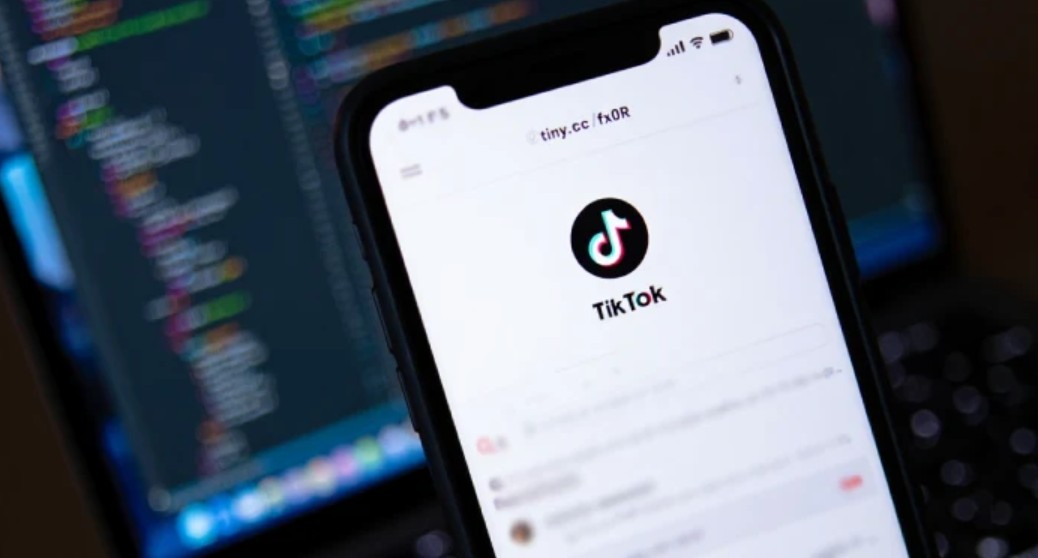
The campaign, dubbed “TikTok-a-like,” begins with phishing emails or malicious advertisements that direct users to fake domains. These URLs, which bear a striking resemblance to the official TikTok website, are designed to evade detection by standard security filters. Once on the fake site, users are prompted to download what they believe is a new version of the TikTok app or a video-editing tool. Unbeknownst to them, they are installing a powerful information-stealing malware.
What makes this campaign particularly dangerous is its use of artificial intelligence. The AI component is used to personalize the phishing attacks, crafting emails and ads that are highly convincing. It analyzes user data to create targeted messages, increasing the likelihood of a click. The AI also manages the network of fake domains, dynamically generating new URLs to stay one step ahead of cybersecurity firms and domain blacklists. This rapid-fire creation of new domains makes it incredibly difficult to shut down the operation completely.
The primary objective of the malware is to compromise cryptocurrency wallets. Once installed, the malicious software scans the victim’s computer for digital wallet credentials and private keys. It is also capable of hijacking browser sessions and intercepting two-factor authentication codes, allowing the attackers to bypass security measures and drain the victims’ crypto holdings. The stolen funds are then quickly laundered through a series of complex transactions, making them nearly impossible to trace.
Security experts are urging users to exercise extreme caution. They advise against clicking on links from unfamiliar sources, even if they appear to be from a trusted brand. Instead, users should always navigate directly to the official TikTok website or use the official app stores to download or update their applications. Furthermore, enabling hardware-based security keys and using cold storage for cryptocurrency are recommended to protect against these types of attacks. The “TikTok-a-like” campaign serves as a stark reminder of the evolving and increasingly sophisticated nature of cyber threats in the age of AI.