• Home
  • News
  • AI
  • Cyber
  • GRC
  • Blogs
  • Live CVE
No Result
View All Result
Sumtrix
  • Home
  • News
  • AI
  • Cyber
  • GRC
  • Blogs
  • Live CVE
No Result
View All Result
Sumtrix
No Result
View All Result
Home Cyber

North Korean Hackers Target Web3 with Nim Malware and Use ClickFix in BabyShark Campaign

Jane Doe by Jane Doe
July 5, 2025
in Cyber
North Korean Hackers Target Web3 with Nim Malware and Use ClickFix in BabyShark Campaign
Share on FacebookShare on Twitter

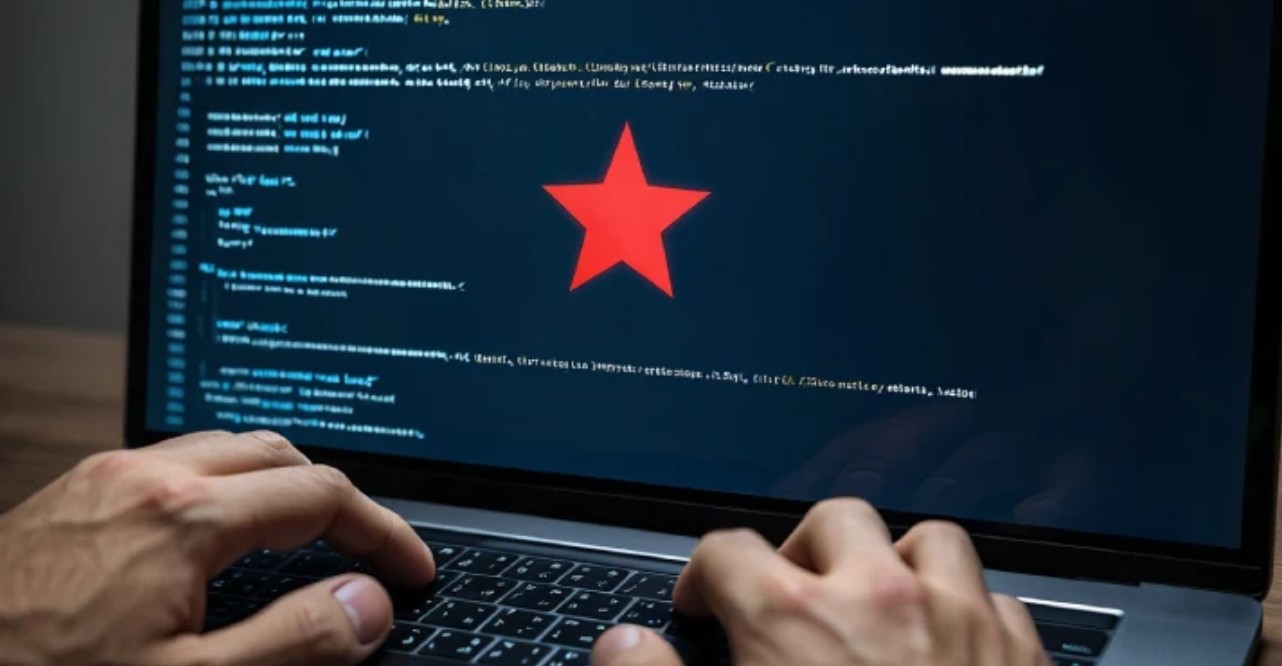
Recent intelligence reveals a significant escalation in cyber activities by North Korean state-sponsored hacking groups, specifically targeting Web3 and cryptocurrency-related businesses. These sophisticated threat actors are employing novel tactics, including the use of malware written in the unconventional Nim programming language and a refined social engineering technique known as “ClickFix,” all as part of their ongoing “BabyShark” campaign.

Cybersecurity researchers have highlighted a new Nim-based malware, dubbed “NimDoor,” which is being deployed in these attacks. Nim, known for its performance and portability across operating systems like macOS, Windows, and Linux, allows the attackers to craft highly efficient and evasive malicious binaries. NimDoor leverages unusual techniques, such as process injection and remote communications via TLS-encrypted WebSockets (wss), making detection challenging. Furthermore, it exhibits a novel persistence mechanism that exploits signal handlers, ensuring the malware reinstalls itself even after termination or system reboots. Initial access for these NimDoor attacks often involves elaborate social engineering, with victims being lured through fake Zoom meeting invites and supposed “SDK update scripts.”

Concurrently, the North Korean Kimsuky group, a well-known APT, is continuing its “BabyShark” campaign with an evolved “ClickFix” social engineering tactic. Originally designed to trick users into clicking a “fix it” button to resolve a non-existent error, the updated ClickFix now prompts victims to copy and paste authentication codes to access seemingly secure documents. This new variant, observed since January 2025, has been used in spear-phishing attempts targeting national security experts and others, often masquerading as interview requests or official meeting documents. The malicious process typically involves opening a decoy document while, in the background, a Visual Basic Script (VBS) or PowerShell command establishes persistence and harvests system information.

Read

App Store Power and Censorship: How Apple and Google Shape Your Digital Future

Google Sets Sights on Defying Gravity with Antigravity Project

The “BabyShark” campaign has a history of swiftly adopting new attack techniques, integrating them with script-based mechanisms to distribute various remote access tools and information stealers. This latest evolution, combining the evasive Nim malware with the highly deceptive ClickFix tactic, underscores the persistent and adaptable nature of North Korean cyber threats. The relentless pursuit of cryptocurrency and sensitive data by these groups poses a significant risk to individuals and organizations within the Web3 ecosystem and beyond.


Previous Post

NightEagle APT Exploits Microsoft Exchange Flaw to Target China’s Military and Tech Sectors

Next Post

Massive Android Fraud Operations Uncovered: IconAds, Kaleidoscope, SMS Malware, NFC Scams

Jane Doe

Jane Doe

More Articles

Operation WrtHug Hijacks Tens of Thousands ASUS Routers
Latest News

Operation WrtHug Hijacks Tens of Thousands ASUS Routers

Massive Infection: Tens of thousands of end-of-life ASUS WRT routers compromised worldwide, mainly in Taiwan, the US, and Russia. Exploit...

by Sumit Chauhan
November 19, 2025
WhatsApp Worm Delivers Brazilian Banking Trojan
Cyber

WhatsApp Worm Delivers Brazilian Banking Trojan

Worm Spread: Python-scripted WhatsApp worm targets Brazil, hijacking accounts to send a Delphi-based banking trojan, Eternidade Stealer. Infection Path: Starts...

by Sumit Chauhan
November 19, 2025
FBI Sounds Alarm on Akira Ransomware’s 0 Million Haul
Cyber

FBI Sounds Alarm on Akira Ransomware’s $250 Million Haul

Ransom Total: $248.9 million from 321 victims—mostly US firms in tech, finance, healthcare since May 2023. Tactics: Double extortion—encrypts files,...

by Max Mueller
November 16, 2025
US Car Dealers Grind to Halt in CDK Ransomware Chaos
Cyber

US Car Dealers Grind to Halt in CDK Ransomware Chaos

Scale Hit: 15,000+ dealerships across US and Canada offline—sales, financing, service apps down for weeks. Financial Sting: $1.2 billion lost...

by Mayank Singh
November 16, 2025
Next Post
Massive Android Fraud Operations Uncovered: IconAds, Kaleidoscope, SMS Malware, NFC Scams

Massive Android Fraud Operations Uncovered: IconAds, Kaleidoscope, SMS Malware, NFC Scams

Leave a Reply Cancel reply

Your email address will not be published. Required fields are marked *

I agree to the Terms & Conditions and Privacy Policy.

Latest News

EU AI Act Hits Compliance Crunch Time

EU AI Act Hits Compliance Crunch Time

November 16, 2025
Unveiling the Secret Defense Tactics of Four Key Industries Against Cyber Threats

Unveiling the Secret Defense Tactics of Four Key Industries Against Cyber Threats

June 2, 2025
Cybersecurity at GITEX 2025: Key Takeaways from Berlin

Cybersecurity at GITEX 2025: Key Takeaways from Berlin

May 24, 2025
ServiceNow AI Agents Vulnerable to Sophisticated Prompt Injection

ServiceNow AI Agents Vulnerable to Sophisticated Prompt Injection

November 19, 2025
ASEAN and Japan Unite Against Cyber Threats: the 2nd AJCCA Conference 2025 in Tokyo Highlights AI-Driven Defense and Regional Cooperation

ASEAN and Japan Unite Against Cyber Threats: the 2nd AJCCA Conference 2025 in Tokyo Highlights AI-Driven Defense and Regional Cooperation

October 23, 2025
Bezos Earth Fund Announces  Million in AI Grand Challenge Awards to fifteen global teams using AI to protect climate and nature

Bezos Earth Fund Announces $30 Million in AI Grand Challenge Awards to fifteen global teams using AI to protect climate and nature

October 23, 2025
Hackers Use ‘Ghost Calls’ to Abuse Web Conferencing Platforms for Covert C2

Hackers Use ‘Ghost Calls’ to Abuse Web Conferencing Platforms for Covert C2

August 7, 2025
Sumtrix.com

© 2025 Sumtrix – Your source for the latest in Cybersecurity, AI, and Tech News.

Navigate Site

  • About
  • Contact
  • Privacy Policy
  • Advertise

Follow Us

No Result
View All Result
  • Home
  • News
  • AI
  • Cyber
  • GRC
  • Blogs
  • Live CVE

© 2025 Sumtrix – Your source for the latest in Cybersecurity, AI, and Tech News.

Our website uses cookies. By continuing to use this website you are giving consent to cookies being used. Visit our Privacy and Cookie Policy.