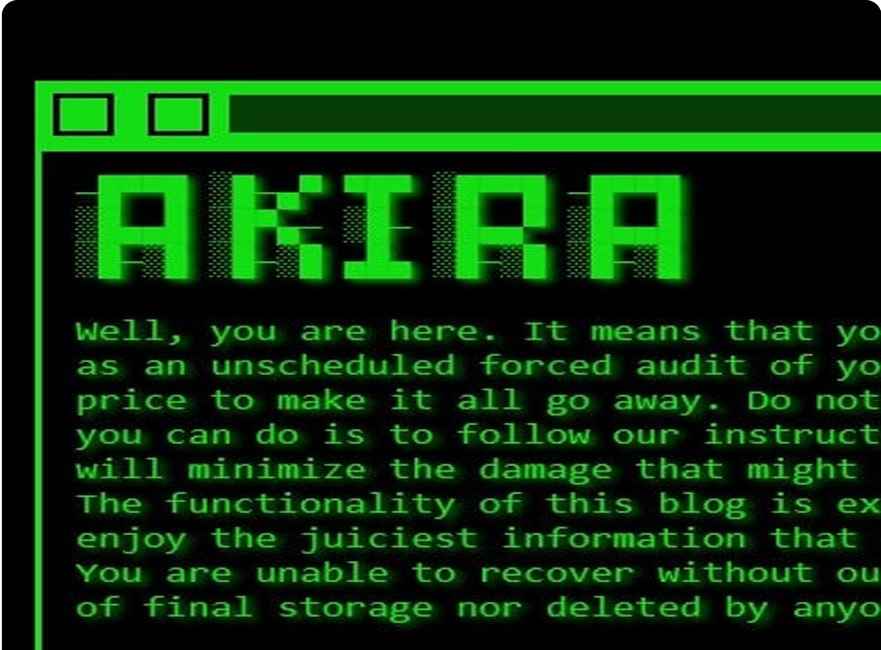


The cybersecurity landscape in 2025 has arrived with a sobering wake-up call, revealing a perfect storm of evolving threats, human exhaustion, and internal organizational discord. A new report, the “2025 Cybersecurity Assessment,” highlights a critical juncture where defenses are increasingly challenged by stealthier attacks, widespread professional burnout, and deep-seated internal misalignments.
Gone are the days of easily detectable, brute-force cyberattacks. In 2025, threat actors, increasingly leveraging AI and advanced automation, are deploying highly sophisticated and often undetectable methods. Ransomware continues its surge, with a reported 68% increase in incidents this year, but the tactics have shifted. Cybercriminals are now focusing on data theft over mere encryption, often engaging in “double extortion” by threatening to leak sensitive information. Phishing attacks, supercharged by AI-powered deepfakes, are more convincing than ever, leading to a 55% increase in successful attempts since 2023. These stealthier approaches are making traditional detection and response mechanisms less effective, forcing organizations to adopt more proactive and adaptive security postures, such as Zero Trust architectures.
Compounding the external threat is a severe internal crisis: widespread burnout among cybersecurity professionals. Over 60% of IT professionals report high stress levels, leading to an alarming attrition rate with nearly half of cybersecurity leaders contemplating departure. The relentless 24/7 nature of security operations, combined with an overwhelming volume of alerts (many of which are false positives), is taking a heavy toll. This exhaustion not only impacts individual well-being but also creates critical skill gaps and knowledge loss, leaving organizations more vulnerable. Industry experts are advocating for increased automation to handle mundane tasks and a greater emphasis on employee well-being, including flexible schedules and mental health support.
Furthermore, internal misalignments within organizations are proving to be a significant Achilles’ heel. Outdated asset inventories, a lack of clear ownership for critical systems, and fragmented security practices create exploitable blind spots. The rapid adoption of new technologies, particularly AI, without adequate security safeguards in place, further exacerbates these issues. The report underscores that while 66% of organizations anticipate AI to significantly impact cybersecurity, only 37% have processes to assess the security of these AI tools before deployment.
The 2025 Cybersecurity Wake-Up Call serves as a stark reminder that robust cyber defenses extend beyond technological solutions. Addressing the human factor – combating burnout and fostering a resilient workforce – and correcting internal organizational shortcomings are equally crucial to fortifying global cyber defenses against the increasingly sophisticated threats of today and tomorrow.