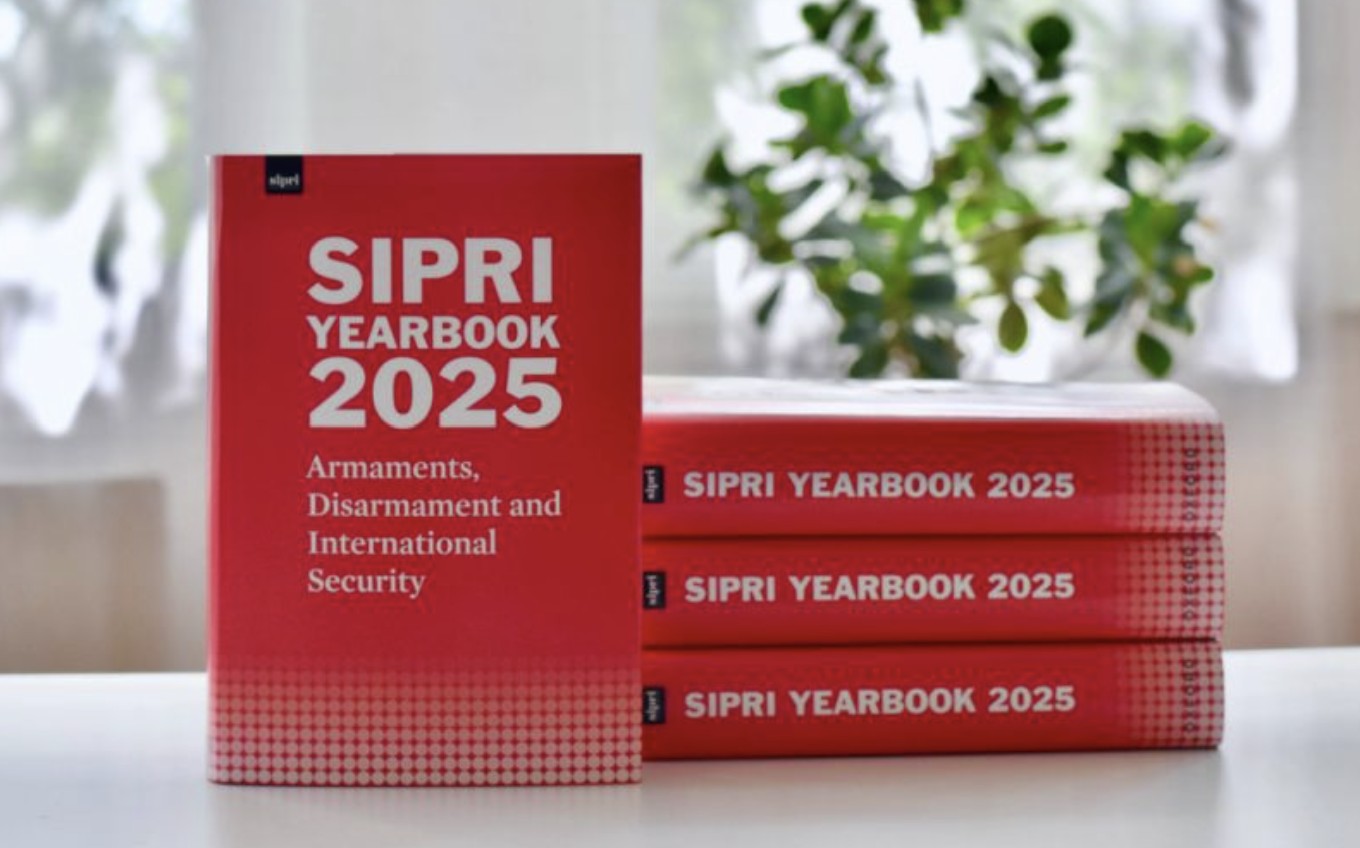
The Stockholm International Peace Research Institute (SIPRI) has published its annual Yearbook 2025, which provides a chilling assessment of the mounting nuclear challenges and a perilous new arms race. Nearly all nine nuclear armed states are modernizing or expanding their arsenals, the report cautions, signaling that the era of sweeping reductions in global nuclear weapons is at an end.
As of January 2025, the total number of nuclear warheads in the world is estimated to be about 12,241, according to SIPRI. And although the overall number of nuclear weapons dipped slightly because of dismantling of old Cold War weapons that were retired, a significant shift is taking place: The number of operational and deployed warheads is increasing.
About 9,614 warheads are in the military stocks of the nuclear-armed countries and are ready for management, including 3,912 deployed with missiles or aircraft, along with about 2,100 of these on high alert.
Perhaps most ominously, China is on pace to increase its nuclear arsenal by at least 700 percent over the next decade, with the future capability to reach a number that would match our capabilities. SIPRI estimates China now has at least 600 nuclear warheads, increasing by around 100 each year since 2023.
The construction of an array of new intercontinental ballistic missile (ICBM) silos would enable China to reach numbers of ICBMs similar to those of the U.S. or Russia by the early 2030s. China is also now suspected of keeping some warheads on missiles during peacetime for the first time.
Russia and the US possess some 90% of the world’s nuclear weapons. Despite some modernization struggles and a delay in programs such as Russia’s Sarmat ICBM, those two countries are likely to continue to grow the number of deployed nuclear warheads, particularly with the New START Treaty slated to expire in early 2026 and no follow-up treaty currently being negotiated.
“We know that it wouldn’t be better for anyone, it could be worse for everyone,” SIPRI Director Dan Smith said of a new arms race, driven by advances in artificial intelligence, quantum computing and missile defense, that has brought with it risks and uncertainties unseen in the past.
The report also addresses the modernisation of other nuclear armed states: France, the UK, India, Pakistan and North Korea (estimated to now posses upwards of 50 assembled warheads). The report also highlights Israel’s continued upgrading of its undeclared nuclear inventory.
Dismantlement of arms control regimes and lack of communication among nuclear powers are increasing the risk. Nuclear weapons “don’t prevent wars, but instead could be used more likely than not (for) miscalculation and due to a higher-readiness alert,” SIPRI warns, thereby upping the risk of conflict even in a climate of disinformation and geopolitical tension. The Yearbook is an urgent appeal to the international community to re-engage with arms control and disarmament.